
Feeling Seen in Therapy: Why Cultural Awareness Matters
What Does It Mean to Be a Culturally Aware/Competent Therapist?
By Mashfia Ahmed
I want to start by saying that I am not the best writer in the world. It comes from being a 1.5-generation immigrant and an undiagnosed dyslexic. Writing has not always felt easy or natural for me, but this topic matters deeply to me, both personally and professionally.
I was working on a social media post, so I decided to start taking quotes from clients about why it matters for them to have me as a 1.5-generation immigrant and a Muslim as a therapist. The overwhelming theme I gathered from my clients was that they felt heard and seen. The majority stated they felt understood without having to express the nuances of being a person of color or an immigrant.
That matters because being in the melting pot of America includes a variety of cultures and subcultures. While that can be beautiful, it can also be complicated. The feeling I think best describes the experience of an immigrant — or more specifically, a 1.5-generation immigrant — is never feeling enough for either culture.
A feeling I have heard from many of my clients, and also know from my own lived experience, is that feeling of never being American enough or “my culture” enough. It is the feeling of going out with your American friends and feeling as though you miss some things because you grew up in a different cultural household. It is also the feeling of being with your family and having them shame you, directly or indirectly, for being too Americanized or losing your culture.
That in-between feeling can be lonely. It can cause anxiety and depression to creep up, along with feelings of shame and guilt. It can make you question where you belong, who you are allowed to be, and whether you are disappointing someone no matter what choice you make.
For many people with dual identities, this shows up in family relationships, friendships, dating, marriage, parenting, career decisions, religion, and even the way they communicate their needs. Something that may sound simple in therapy — like “set a boundary” — can be much more complicated when culture, family expectations, faith, respect, and obligation are all part of the conversation.
For me, being a culturally competent therapist includes holding space for my clients with dual identities and giving them the space to process their identities in a safe place without judgment. It means allowing clients to bring all parts of themselves into the room: the parts that feel connected to their culture, the parts that feel distant from it, the parts that feel Americanized, and the parts that still feel rooted in family, faith, language, and tradition.
It also includes therapy where clients do not have to explain the nitty-gritty details of why simply setting boundaries does not work, and how we may have to strategize ways to speak in order to have their needs met. Sometimes therapy is not about giving a client a script that sounds good in a textbook. Sometimes it is about slowing down and asking: What would feel respectful? What would feel safe? What would actually work in this family or cultural system?
Being a culturally competent therapist includes being curious and meeting the client where they are at. It means not assuming that every person from one background has the same experience. It means understanding that a client can love their family deeply and still feel hurt by them. They can value their culture and still feel restricted by parts of it. They can want independence and still feel guilt about choosing themselves.
Textbooks and classes do not teach us true competency on their own; being curious and holding space do. Education matters, but cultural competence is not just something we learn once and then check off a list. It is an ongoing practice of listening, asking thoughtful questions, honoring each person’s lived experience, and recognizing that the client is the expert on their own life.
At its core, culturally aware therapy helps clients feel seen without needing to translate every part of themselves first. It creates space for complexity, identity, belonging, grief, pride, shame, faith, family, and healing.
And for many clients, that space can make all the difference.
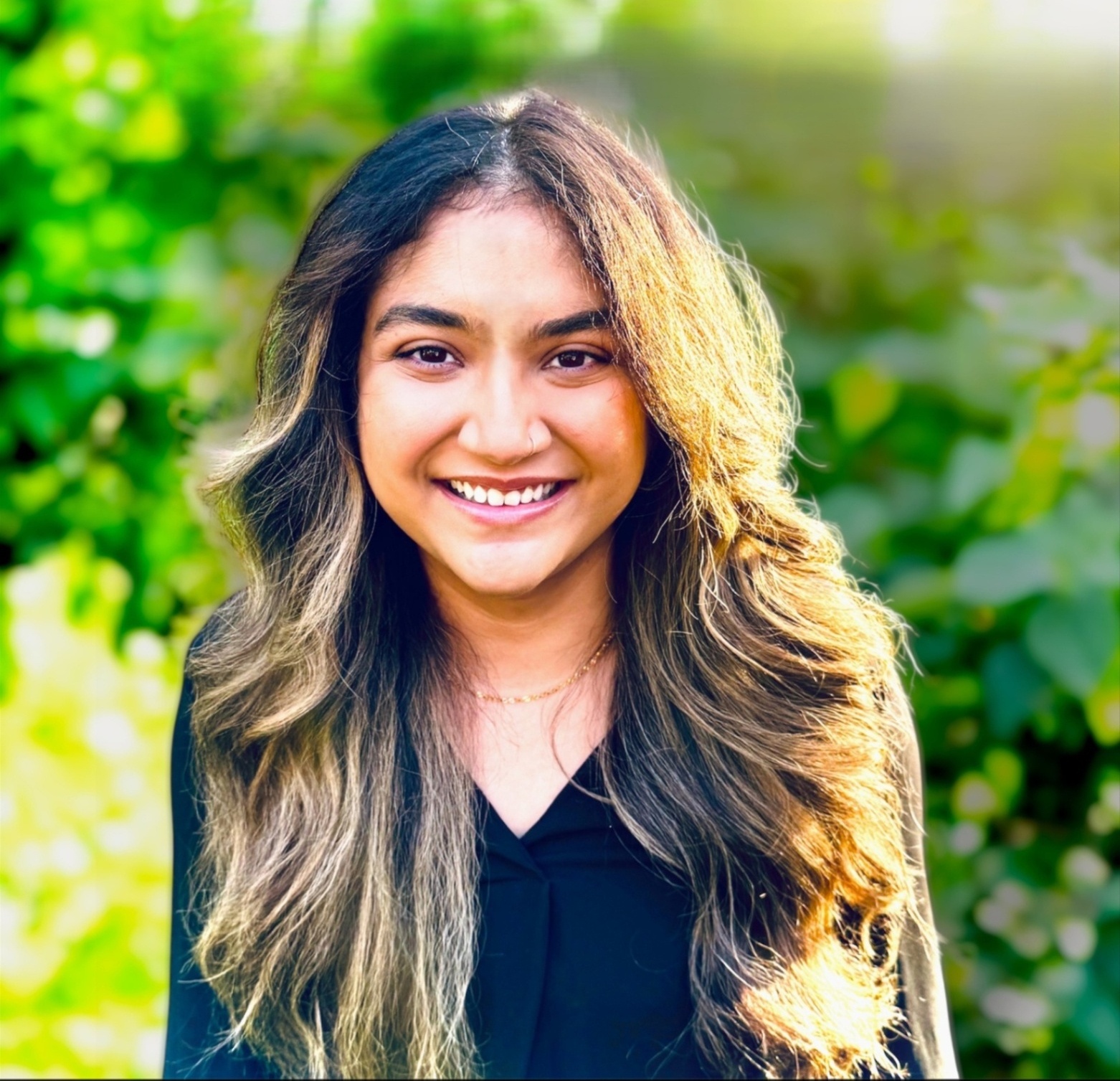
Mashfia Ahmed sees clients in our Tucker, Georgia location. Read more about her here: Mashfia Ahmed, LMSW,