
Taking Off the Mask: Finding Your Way Back to You
By Lela Flanery, LMSW
For as long as I can remember, I’ve often felt like I didn’t quite fit in. As an adult, I’ve come to realize that I’m far from alone in that feeling. Many people who are neurodivergent, meaning our brains work a little differently than what’s considered “normal,” share this experience. This includes people with ADHD, autism, dyslexia, intense emotions, significant trauma, and other ways of thinking and being.
Over time, many of us become really good at pretending. We act like we fit in to make others comfortable, to be accepted, or sometimes just to stay safe. Eventually, it becomes automatic. It might look like staying quiet when we’re overwhelmed, laughing along even when we’re lost in conversation, or trying hard to seem “normal” when that word has never really made sense to us.
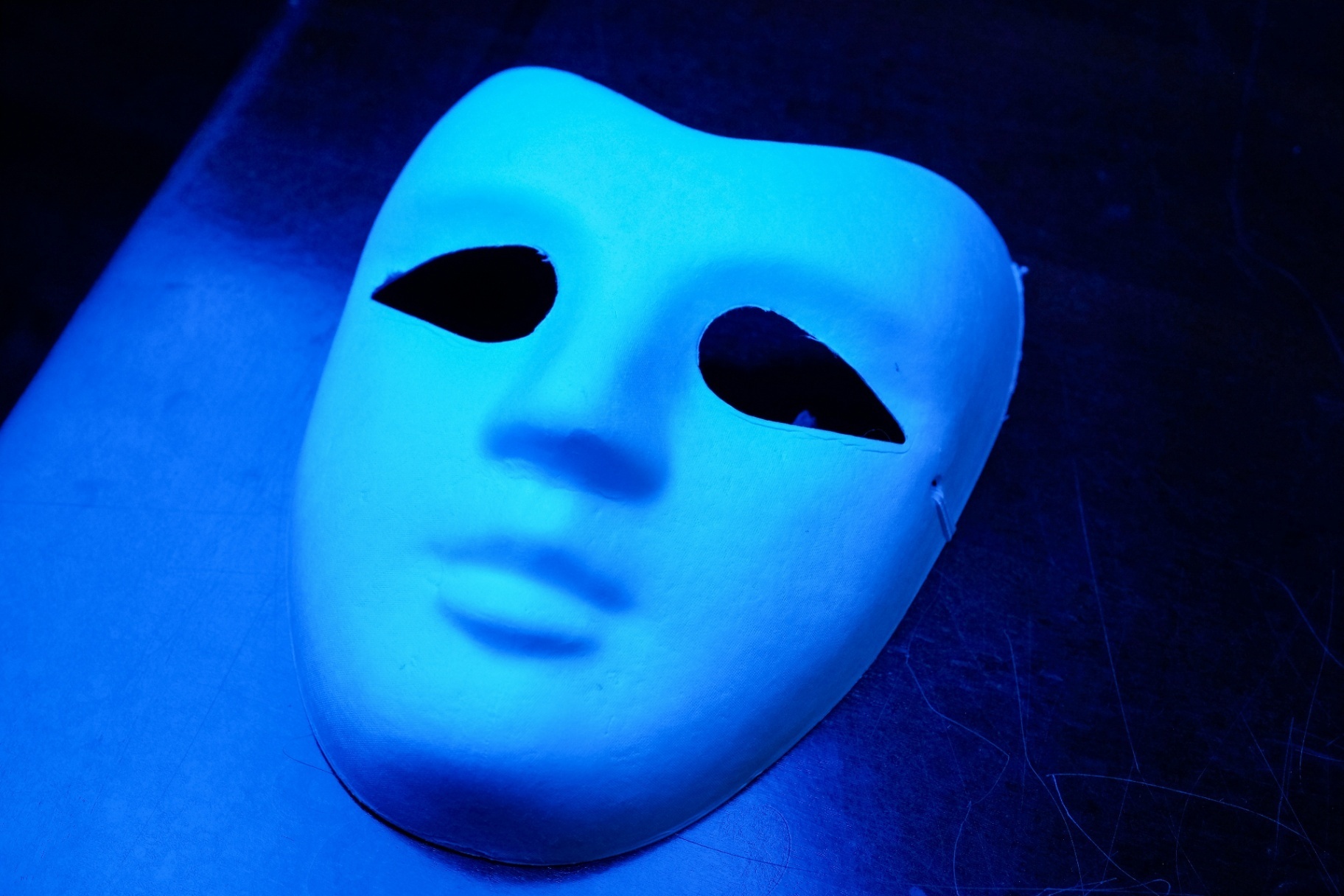
This is something called masking.
Masking means hiding parts of ourselves so we can blend in or avoid being judged. Sometimes it helps us get through tough situations and makes us feel a little safer. But the truth is, masking is exhausting. It can leave us feeling disconnected, anxious, and burnt out, like we’re living behind a wall that keeps us from being who we really are.

Masking can look different for everyone, but some common examples include:
Forcing yourself to make eye contact when it doesn’t feel right
Rehearsing what you want to say before speaking
Smiling or laughing when you actually feel anxious, lost, or overwhelmed
Holding back stims, fidgets, or other ways you naturally comfort yourself
Overexplaining to make sure you’re not misunderstood
Changing your tone, body language, or even your interests depending on who you’re around
For many of us, masking starts early, especially if we’ve also felt “othered” in other ways, like being a person of color, part of the LGBTQIA+ community, a woman, or growing up in a low-income home. It becomes a survival skill in classrooms, jobs, and relationships that don’t leave much room for difference. Over time, it can become so automatic that you forget what it feels like to just be you.
Even though masking might help you get through the day, it takes a toll. People often describe feeling completely drained, disconnected from themselves, or unsure of who they really are. Sometimes that deep exhaustion shows up in harmful ways, like substance use, disordered eating, risky sexual behavior, lying, or self-harm. These aren’t signs of weakness; they’re signs of pain and survival. It’s your mind and body’s way of saying, we can’t keep doing this.
I’m not saying you need to throw away your mask right now. Sometimes those masks are what keep us safe, and that’s okay. But over time, it’s possible to start letting it down a little and giving yourself moments where you don’t have to pretend.
In therapy, that process might look like:
Finding or creating safe spaces where you can show up as yourself, sensory-friendly, calm, or centered around your interests
Reconnecting with your real self, your emotions, curiosities, and the little things that make you who you are
Practicing self-compassion toward the parts of yourself you’ve hidden
Building relationships that respect your needs and boundaries
Unmasking isn’t about throwing away the tools that once helped you survive. It’s about allowing yourself to exist more freely, without apology or performance.
If you’ve been masking for years and aren’t sure where to start, please remember this: you are not broken, dramatic, or “too much.” You are strong. You learned how to survive in a world that doesn’t always understand you, and that takes courage.
Therapy can be a place to rest from pretending. It’s a space where you can take off the mask, breathe, and slowly reconnect with yourself. It’s where you can explore who you are without pressure or performance, and begin to live in a way that finally feels like home.

To see if working with Lela Flanery, LMSW would be the right thing for you reach out here: Contact Us